
Mastering Inventory Management: Strategies for Effective Control
Inventory control

Inventory management stands at the core of operational efficiency and financial health for businesses across industries. It’s not merely about stocking shelves; rather, it's a strategic process that ensures the right products are available at the right time and in the right quantities to meet customer demand while minimizing excess and associated costs.
Drawing from existing insights and emerging trends, here are some useful strategies for businesses on how to master inventory management effectively in 2024 and beyond.
1. Use Inventory Management Software
Utilizing inventory management software is essential for maintaining effective control over inventory. These systems offer real-time tracking of inventory levels, streamline order processing, and provide valuable insights into sales trends. With features like automated replenishment and customizable alerts,
businesses can avoid stockouts and overstock situations, optimizing inventory levels for maximum efficiency.
2. Implement ABC Analysis
ABC analysis categorizes inventory based on its value and contribution to sales. Class A items are high-value products with significant sales volume, while Class C items are low-value items with lower sales volume. By prioritizing resources and attention to Class A items, businesses can ensure adequate stock levels to meet demand while minimizing carrying costs for Class C items.

3. Forecast Demand Accurately
Accurate demand forecasting is essential for optimizing inventory levels. Businesses can utilize historical sales data, market trends, and seasonality patterns to predict future demand. By employing statistical models or advanced forecasting techniques, such as time-series analysis or machine learning algorithms, businesses can enhance the precision of their demand forecasts, reducing the risk of stockouts or excess inventory.
4. Implement Just-in-Time (JIT) Inventory
JIT inventory management aims to minimize inventory holding costs by synchronizing inventory levels with demand. By ordering goods only when required, businesses can reduce surplus inventory and the accompanying carrying expenses, all while retaining the agility to adapt to shifts in demand. However, careful coordination with suppliers and efficient logistics are essential for successful JIT implementation.
5. Optimize Order Quantity and Reorder Point
Establishing the ideal order quantity and reorder point is crucial for maintaining adequate inventory levels without excessive holding costs. Businesses can use inventory control models such as Economic Order Quantity (EOQ) or Reorder Point (ROP) to strike a balance between ordering costs and carrying costs, ensuring efficient inventory replenishment while minimizing stockouts.
6. Implement Vendor Managed Inventory (VMI)
VMI involves suppliers taking responsibility for managing their customers' inventory levels. By granting suppliers access to inventory data and allowing them to replenish stock as needed, businesses can streamline inventory management processes and improve supply chain efficiency. VMI fosters closer collaboration between suppliers and customers, leading to mutual benefits such as reduced lead times and inventory carrying costs.

7. Implement Distributed Inventory Management
Another useful strategy for effective inventory management is to adopt a decentralized approach. It involves storing inventory in smaller, localized warehouses and retail outlets to minimize storage costs and expedite order fulfillment.
8. Regularly Audit and Cycle Count Inventory
Regular inventory audits and cycle counts help identify discrepancies between recorded inventory levels and actual stock on hand. By conducting frequent physical counts and reconciling them with inventory records, businesses can detect errors, shrinkage, or discrepancies in a timely manner, enabling corrective action to be taken promptly to maintain inventory accuracy.
9. Invest in Employee Training and Education
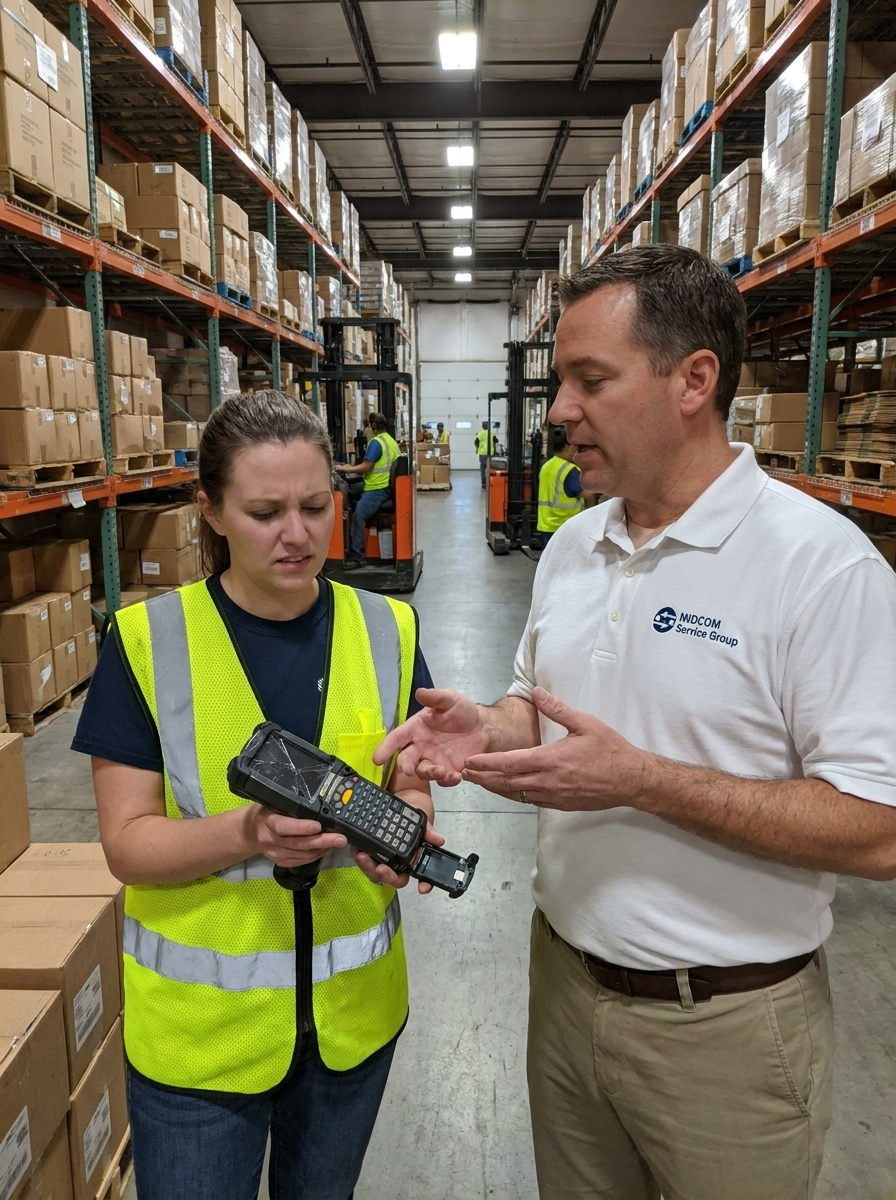
Well-trained employees are essential for effective inventory management. Providing training on inventory control procedures, use of inventory management software, and best practices for handling and storing inventory can enhance efficiency and accuracy in inventory management processes.
Additionally, fostering a culture of accountability and ownership among employees can help minimize errors and improve overall inventory control.
Mastering inventory management requires a combination of strategic planning, technological tools, and efficient processes. By implementing these practical strategies, businesses can achieve effective control of their inventory, optimize operations, and ultimately enhance their competitiveness in the marketplace.

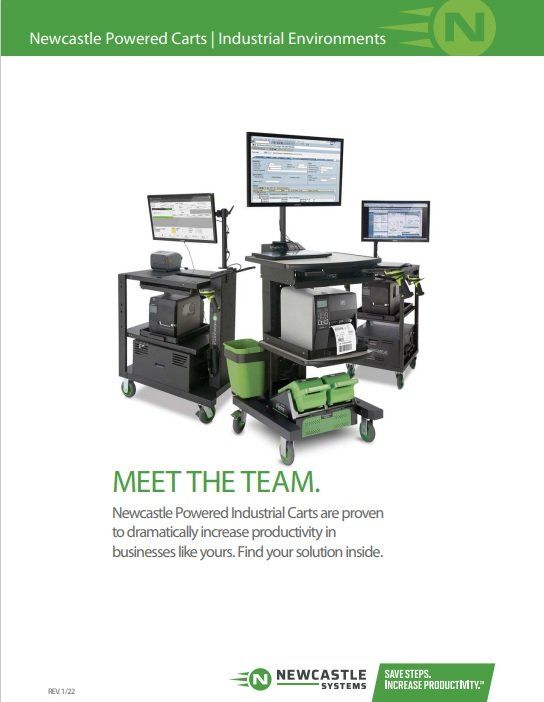
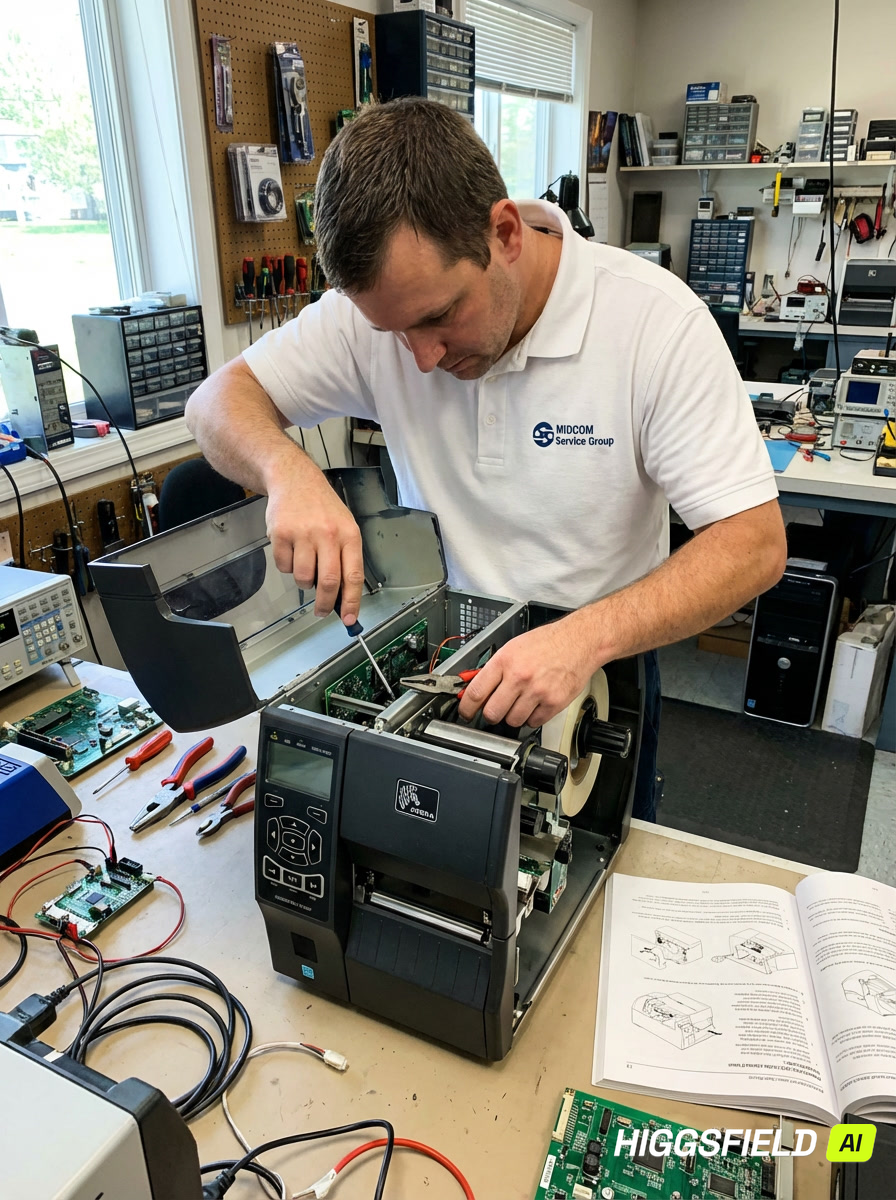
MIDCOM has been helping companies with inventory control solutions since 1982. Talk to one of our Specialists about thermal barcode label printers, mobile barcode scanning devices, software or mobile workstations today. Call now (877) 948-2005.
Annual Protection Plans